

The battle for attention in digital gaming is fierce. Developers often lean on stunning visuals or constant marketing. But a different pattern is taking shape. True lasting success doesn’t come from a gimmick. It stems from a simple concept: value the gamer. People call this a “Player First” approach. It means clear regulations, equitable play, and having the community shape a game’s evolution, as opposed to pursuing fast profits. The UK gaming scene, famous for its astute players and strict rules, illustrates this well. Consider the Big Bass Crash release. Its ascent is no accident. It’s an obvious lesson. When a game’s design reflects what players really care about, it fosters a devoted community. This alignment is transforming what players want. It demonstrates that in today’s online landscape, the best strategy is to make the player the priority.
Understanding the “Players First” Approach in iGaming
“Player First” is more than a tagline. It’s a plan that shapes a title from the ground up. It touches how the title operates, how the studio communicate with users, and how it develops over time. The old approach saw users as buyers. The new approach sees them as collaborators. This partnership calls for honest design, not gimmicks that exploit on psychology. It demands clear, upfront disclosures on any money deposited. And it means paying attention when customers give input. In regions like the UK, with strong consumer protections, this approach aligns well with both the regulations and the local culture. For a game like Big Bass Crash, it’s about earning trust through consistent design. The fun should arise from the product itself, not from concealed odds or a push to keep playing. The effect is a healthier ecosystem that helps everyone.
Ethical Gaming Integration in Design
A genuine Player First philosophy must consistently support responsible play. Here, the entire structure of Big Bass Crash offers integrated safeguards. The game is built on short, distinct rounds. This creates intuitive stopping points, unlike the endless, automated loops of some slots. Reliable UK platforms add to this by including mandatory tools like deposit limits, session timers, and direct links to support services such as GamStop and GamCare. The game’s simple design also assists with self-monitoring. Because the central action is a solitary, deliberate cash-out decision, gamblers might become more aware of their expenditure compared to the fast, machine-driven play of different genres. This design shows that safe play can be part of the game’s core, not just a sidelight in the terms.
Openness and Fairness as Essential Pillars
UK users, defined by strict rules from the UK Gambling Commission, do not consider transparency as a extra https://bigbasscrash.eu/. They regard it as a necessity. Big Bass Crash fulfills this requirement head-on. The chance of each crash is verifiable and secure. The product typically uses validated Random Number Generator (RNG) systems that face regular reviews. It makes no claim to be a skill game where it is not. Instead, it offers itself truthfully as a game of probability with one clear moment of planning. This honesty establishes a reputation. Players can interact understanding the platform’s soundness is a priority, which is a foundation of safe play. The reverse tactic—a feeling that consequences are manipulated or vague—destroys faith fast. It is a trap the game’s developers deliberately evade.
In What Ways Big Bass Crash Embodies Core Player-Centric Values
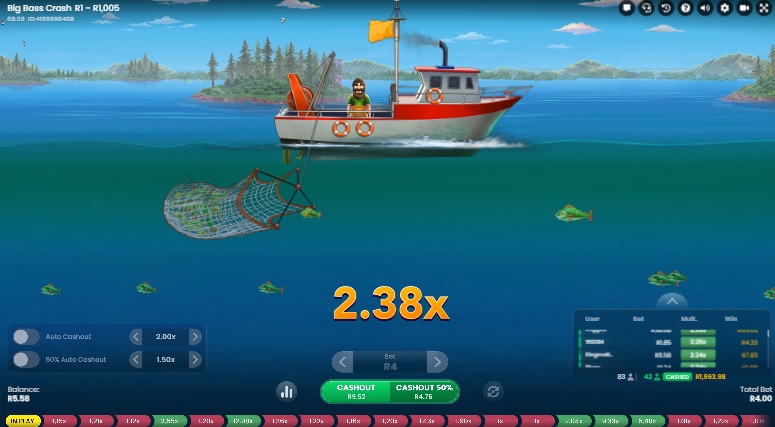
Big Bass Crash converts its player-first talk into reality through specific design choices. The main game feature is a multiplier that rises a curve until a random “crash” occurs. In appearance, it’s straightforward. Players understand the risk and reward instantly. There are no hidden mini-games or confusing bonus features to cloud the waters. This clarity is paramount. The game also bypasses elaborate stories or complex leveling systems that might coerce players into longer playtimes. Every round is a fresh opportunity. The player decides when to play and for how long. A clean, intuitive interface remains in the background. The focus rests on that one strategic option: when to cash out. This design honors the player’s judgment. It offers a tool for fun, not a maze created to capture and keep attention.
What makes the UK Market remains Especially Open

The UK’s online gaming scene is among the most mature and tightly regulated anywhere. This has produced a player base that is both well-protected and highly selective. A history of regulatory changes have educated players about their protections and what honest, ethical design entails. They are fast to leave games that feel deceptive or hide information. Big Bass Crash, with its clear mechanics, emphasis on controlled choices, and natural alignment with player protection tools, fits perfectly into this ecosystem. It meets regulatory demands not as a administrative burden, but as a central design objective. Its growing popularity shows a market selecting a preference. Players are selecting a product that mirrors their values. They favor direct, enjoyable, and respectfully made games over those that depend solely on showy tricks or compulsive patterns.
The Clean Design That Strengthens Players
Big Bass Crash draws strength from a straightforward concept. This simplicity, strangely, leads to serious involvement. Users aren’t required to learn complex rules, icon tables, or lengthy paytables. All comes down to a one, crucial decision: hitting the “Cash Out” control prior to the multiplier collapsing. This sharp emphasis puts control in the hands of the player. They alone are accountable for their decision, according to their own willingness to take chances. It creates a palpable tension, a direct connection between action and consequence. This sense of agency is essential to the User-Focused idea. By paring down the gameplay to just one distinct, gamer-directed gamble, the title values the gamer’s freedom and judgment. A win seems like a individual triumph. A defeat feels like a familiar gamble, not a confusing error in the system.
Building a Group Focused on Common Instances
The journey of Big Bass Crash transcends a single player’s screen. It builds a Player First world by generating shared moments, which are crucial for a game’s lifespan. The format is social by nature. Multiple players experience the same climbing multiplier curve, experiencing the collective buzz as the numbers rise. This inherently sparks conversation. People discuss tactics and celebrate or complain over a crash together. Online platforms and live streams enhance this effect, converting a solo game into a group spectacle. Developers and the sites offering the game often promote this. They highlight major wins and provide space for players to interact. This community work alters the game. It moves beyond being just software and turns into a social spot. The value isn’t only in a potential payout, but in joining a group’s exciting moment.
Side-by-Side Comparison: Player-Centric vs. Conventional Models
Pitting the Player First model versus older game designs demonstrates why it’s gaining traction. Many traditional games, notably in the online casino sector, use strategies intended to keep players glued to the screen and spending continuously, occasionally without their full consciousness.
- Intricacy vs. Clarity: Classic slot machines might feature complicated bonus games and dozens of paylines that are hard to understand. Big Bass Crash presents one straightforward mechanic.
- Authority: Games with auto-play and quick-spin options can make the player a passive observer. Big Bass Crash demands a hands-on, conscious decision for every single result.
- Openness: Some games obscure their Return to Player (RTP) percentages or display extreme variance. The crash game model offers an immediately comprehensible, though uncertain, risk curve.
- Community: Plenty of games are lonely endeavors. The crash format naturally builds a collective, live session.
The Future of Gaming: An Enduring Transition Towards the Player
The enthusiastic welcome for Big Bass Crash’s ethos in regions such as the UK points to a greater, enduring transformation for the sector. As users become more informed and authorities enforce stricter regulations, the economic argument for unethical or exploitative design fades. The future points toward games built for sustainable engagement, where trust and enjoyment are the key methods for keeping players. We will probably see more advancement in transparent mechanics, better social and community functions, and even smoother inclusion of responsible gambling tools within the game itself. Games that adopt the Player First framework, emphasizing long-term community over short-term gain, are set to define this coming era. They demonstrate a core principle. The most effective way to create a successful game is to genuinely respect the intellect, autonomy, and well-being of the user playing the game.